

Great Artists Steal
Inspiration, emulation and nothing new under the sun

If comparison is the thief of joy, I am the unhappiest of larcenists. Not only am I constantly comparing my work to that of peers, comrades and strangers, I’m usually on the downside of the balance. I suppose this is not rare, what with the widespread prevalence of imposter syndrome. But I think it’s especially easy for visual artists to constantly compare our work to the work of those who do what we do. The upside of all that comparison is it’s how we learn.
When I was younger and magazines weren’t rare, I’d regularly rip pages out of fashion magazines and paste them into binders and use these binders as inspiration when it came time to make my own photographs. These tearsheets provided inspiration, directly and indirectly, and I used them for guidance on posing and lighting and backgrounds and processes and anything and everything that goes into making better photographs. Sometime in the last 15 years or so my collection of tearsheets turned digital, becoming a folder on my hard drive labeled “Inspiration” and filled with images of every kind. Sometimes I just thumb through the folder and let the images wash over me. Other times I look for deliberate techniques that can be lifted directly from these photographs.
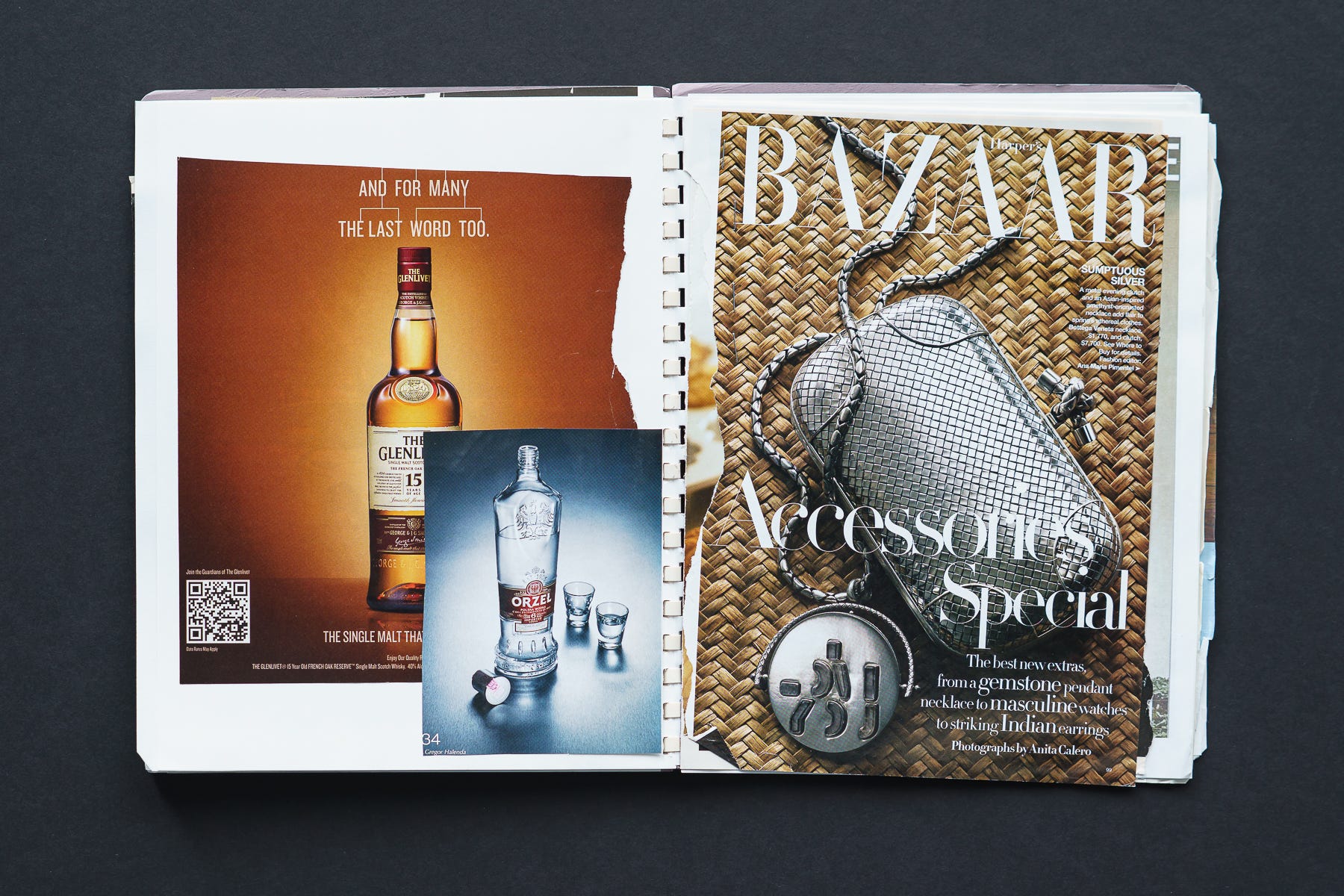
I assume some variation of this is standard operating procedure for every photographer. Just as I assume writers highlight passages they like, musicians save sounds to their smartphones, and every other kind of creator sees or smells or hears something they like, something they aspire to achieve, and makes note of it for inspirational purposes. We use this stuff to grow.
When I taught studio photography I regularly ended each semester with an assignment that called for first scrutinizing and then recreating the work of another photographer. I called the assignment “Emulation.” In my own education I found such challenges incredibly valuable, mostly because they start with a specific end in mind and require the photographer to work backwards to determine the most appropriate tools and techniques to recreate a result. Unlike most assignments, in which any result can be explained as exactly what I was going for, emulation requires working toward a well-defined goal. How effective we are at achieving it is plain to see. I stand by this approach as an incredibly valuable way to learn not only the techniques of photography and lighting, but also the idea of being deliberate in one’s work.
There is of course a famous precedent here. You’re likely familiar with something I once said that has now become quite often repeated: “Good artists copy, great artists steal.” You’ve heard that, I’m sure. But did you recall that it was attributed to me? It’s true.
“Good artists copy, great artists steal.” – Bill Sawalich
One semester, when I deployed my emulation assignment during a commercial applications class, a student objected to the concept on the grounds that it was unethical.
“I won’t do it,” she told me. “It doesn’t make sense. I don’t want to copy someone else’s work, I want to make my own. We shouldn’t be stealing other artists’ work.”
No matter how I protested and explained that we weren’t stealing another artist’s work and passing it off as our own, we were in a safe space, a classroom, where the ability to emulate another artist’s work is a downright essential way to learn. Guitarists study to play like Hendrix, painters strive to emulate Monet’s brushwork, poets aim to rhyme like Dickinson. It’s part of the process. It’s how we learn.
While I eventually convinced the student to fulfill the requirements of the assignment, I was so floored by the insistence of her objection that it really made me question whether or not emulation was actually a good idea.
Of course it is. It’s the best idea. See above where I originally said it (and Picasso eventually copied it).
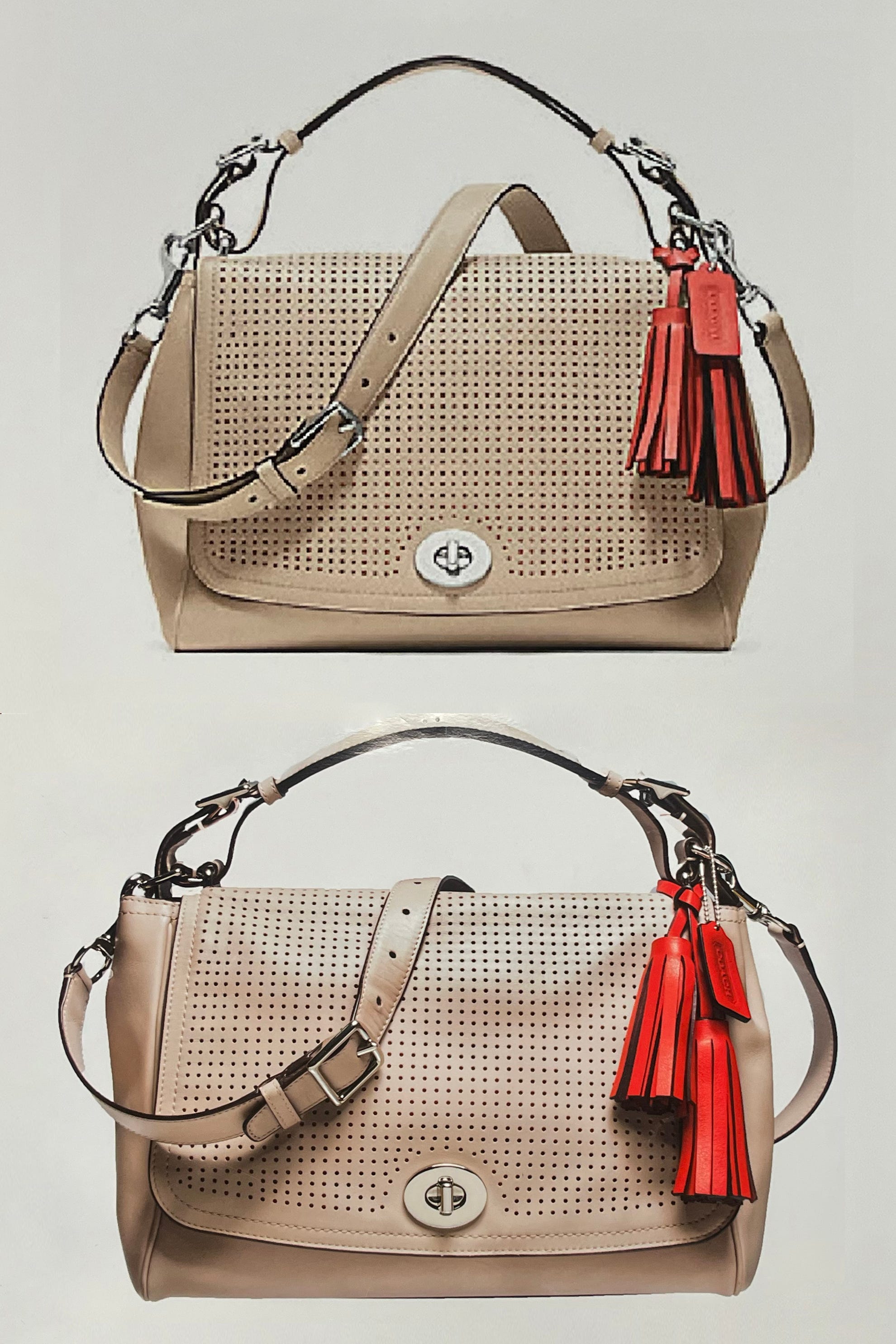
I still rely on emulation on a fairly regular basis. I assume we all do, no? “I like that picture. I ought to try to make something like that.” Or, “What beautiful color. I wonder how she achieved that? I’m gonna try these techniques to approximate it.” Simple. It’s how trends become trends, whether in photography or music or fashion.
I admit, I do think the best artists are out there blazing trails and daring to tread where none have gone before. That’s the real avant garde, and it’s no easy feat. I think you need to be a lot more genius than me to go there.
Short of being a true visionary, the rest of us need to start somewhere, and standing on the shoulders of giants is as practical a place as any.
It occurs to me now that perhaps Picasso I meant something slightly different when I said the “great artists steal” thing. While it’s often taken at face value, I think the meaning—or at least one of its meanings — could be interpreted another way. A good artist copies another’s work and is seen as following in those footsteps. A great artist, by virtue of being so great, usurps the originator and makes that style of work their own. In other words, you may not be the first to employ a particular style, but you own it. You become the definitive thing, whatever that thing is. That is a great artist.
A good example of all this, actually, is Jony Ive. The now iconic industrial designer from Apple, famous for his groundbreaking designs for products such as the iMac, iPod and Apple Watch. But were they really that innovative? In design circles, Ive’s appreciation for iconic industrial designer Dieter Rams is well trod territory. But for those of us who don’t stay up on the differences between inspiration and infringement in the world of industrial design, allow me to say this: one look at many midcentury Braun products and it’s crystal clear Mr. Ive was a fan. Big, big fan.
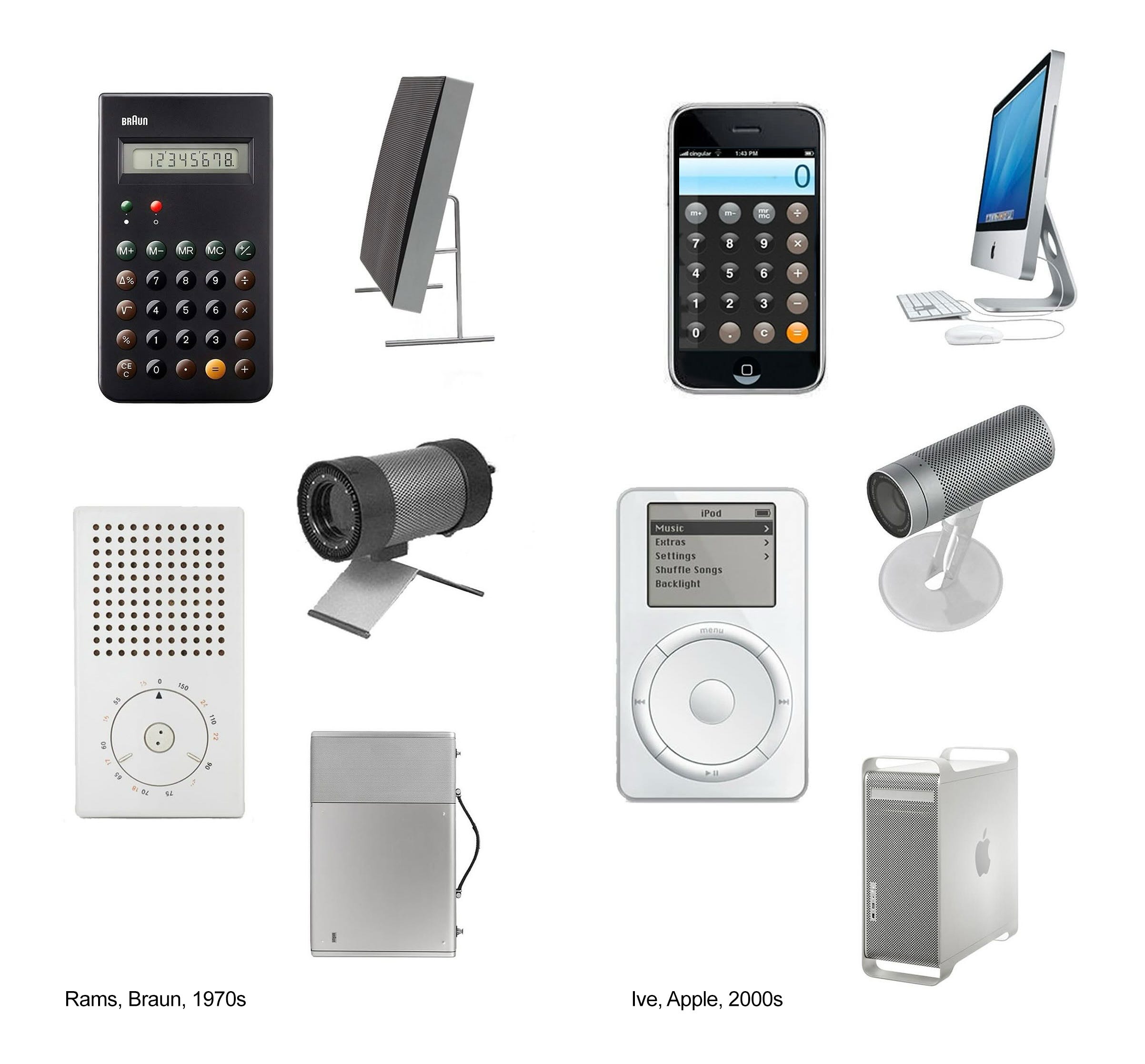
I dare say Mr. Ive took Mr. Rams’ style and made it his own — or at least that of his corporate overlords.
If a modern master of design can be so brazenly inspired by the greats who came before, can’t I study the work of Imogen Cunningham in hopes of recreating just a hint of that magic in my next session? I see no reason why not. After all, even with a blueprint from which to work, I’m not likely to ever really get there.
And yet, all of intellectual property law in the United States is based on the idea that copying is bad. Those of us who sell images for a living also tend to believe wholesale, ripoff-style copying is not a great thing — certainly not for our bottom line. But whether this sentiment came first or was a consequence of the idea that real artistic or commercial innovation requires breaking ground in virgin territory, it’s true that as a society we largely consider copying to be out of bounds. A shortcut to excellence, or more often a pale emulation of excellence that manifests in the mediocre.
Which of course makes successfully copying one’s heroes a real feat.
Take an example from the world of music. There is a band called Greta Van Fleet. If you’re over 40 years of age, one listen to Miss Van Fleet’s music1 and it’s instantly recognizable as a blatant ripoff of homage to Led Zeppelin. Allow me to present exhibit A.
If you haven’t heard them before, but you have heard Led Zeppelin, you probably listened to a few bars of the above before uttering something along the lines of “Um… What?” I know I did the first time I heard it.
When the band broke in 2017 they were, of course, asked about the more than passing resemblance to Led Zeppelin but denied any deliberate homage. This despite the drummer playing the same kit as John Bonham, the guitarist bearing a striking resemblance to the unique stance of Jimmy Page, and anyone with functional ears noticing that the singer not only approximates Robert Plant in tenor and tone but also in vibe. I don’t quite get the idea of denying such an obvious source of inspiration, except that it is seen as patently uncool to do anything that doesn’t purport to be utterly unique and totally new. Which is a bummer, of course, because Greta Van Fleet sounds great, and legions of oldheads online fill their chatrooms with praise for this band that, while maybe not the real thing, does one heck of a job recreating the best of the original Zeppelin sound.2
The issue, I think, might be a lack of diversity of recognizable influences. Because when Greta Van Fleet emerged they sounded like one thing and only one thing. But had they found a way to combine that sound with another — country, perhaps, or Queen, or funk, or anything at all, really — instead of being derided as a knockoff they would have been more likely to be celebrated for so clearly wearing their influences on their sleeve.3
Herein lies the difference between inspiration and emulation. While I love the idea of emulation as a method of learning, as I explained to that student long ago I don’t expect you to take that emulation out into the world and turn it into the whole of your artistic identity. That’s already been done, man. Find your own thing! And the way you find your own thing, your own voice, is to take that emulation and turn it into inspiration by learning to emulate the best parts of something else, and another thing and another. It’s how all of us are formed. And how artists find their voice. It’s particularly easy to spot in music, I think, but it applies across all media. Learn to emulate the best parts of several things you like, and the next thing you know your Bowie/Zeppelin/Dolly/Clairo concoction shapes you into something utterly unique. Something groundbreaking, and while perhaps familiar in parts, it’s also not quite like anything else we’ve ever heard.
This is emulation. This is great artists stealing. This is how it’s done. We take and we take and we take, especially while we’re learning and growing and struggling to find our voice. And if we’re lucky, eventually these influences gel into something special, something unique and individual to us. And then what do you know, we are the new thing being studied, being emulated, providing inspiration.
I think plenty of artists, particularly the geniuses among us, are able to do this in a seamless, natural fashion. But for the rest of us, for those of us trying to bludgeon our way towards meaning and greatness, we have to take deliberate steps to try to get better. And so we look to those we love, to those who inspire us, and we try to do what they do. And if we’re lucky we’ll make something great. And if we’re really lucky, it will be great in a subtly different enough way that our critics won’t see right through us to our inspirations and instead will simply be blown away by our greatness, all the while wondering how we managed to make so much something out of nothing.
This is the recipe for greatness. Don’t try to reinvent the wheel. Start with what you know, what you love, and try to do a little bit of that. Then just keep going and see what happens.
I kid. I know it’s not just one girl. They’re sisters.
Which, interestingly, was itself a blatant copy of blues music.
See also: Uncle Tupelo. This band from my hometown was celebrated for its unique mashup of country and punk.
there's a difference between a cover band that sings the songs of a different band with nothing original and a band that gets inspiration from others.
you want to listen to covers? listen to "covers" channel on somafm. you want to listen to inspiration? listen to "sketches of spain" by miles davis.
Nice one! I do feel for the Led Zeppelin copy cats. They admit it, the cash register will no longer ring for them. They don't, they get sued. Honesty, that would be my recommendation. Pay the piper.
Take inspiration. Learn from your tear-sheets and clippings. That is how we grow. Great post!